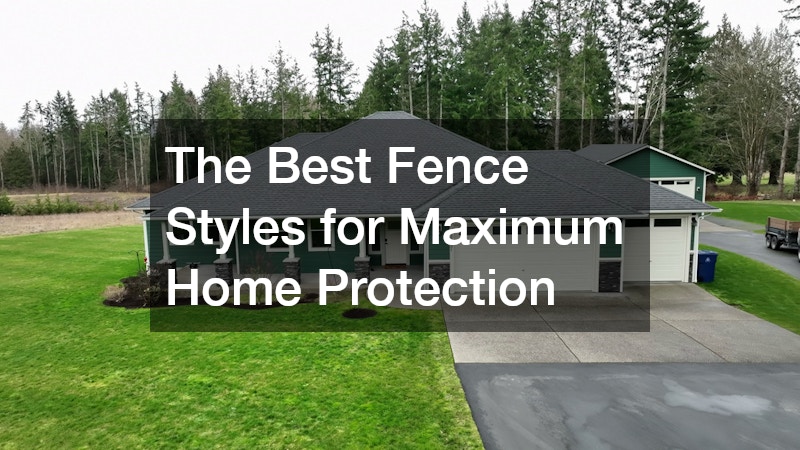
A home is meant to be a sanctuary, a private space where your family can relax free from the worries of the outside world. True residential security does not actually begin at your front door or your windows; it starts right at your property line. When a homeowner begins evaluating ways to protect their property, they often jump straight to high-tech indoor solutions while completely overlooking the psychological and physical power of a well-engineered perimeter. A security system can alert you to a breach, but a properly designed fence works around the clock to prevent that breach from ever occurring in the first place. By setting up a strong boundary, you create a clear deterrent that signals the property is protected, monitored, and not an easy target.
Unfortunately, many homeowners make critical mistakes when choosing a residential boundary, often prioritizing aesthetics over performance or selecting designs that unintentionally create vulnerabilities. A completely enclosed fence may seem secure, but it can also create hidden zones where intruders are out of sight once they get inside the yard. On the other hand, overly open designs may provide visibility but fail to create enough resistance. The goal of modern residential defense is to balance delay, visibility, and structural strength in a way that discourages intrusion before it ever begins.
A well-designed perimeter is not just a physical structure but a layered system of deterrence, delay, and detection. When all three elements are working together, a fence becomes much more than a boundary—it becomes a defense system that actively protects the home environment.
Establishing Your First Line of Defense
Perimeter security begins with understanding how your property naturally functions as a space. Every home has natural entry paths, hidden corners, and visual obstructions that can either help or hinder security. The goal of a first defensive layer is to eliminate opportunities for concealment while guiding movement into visible, controlled areas.
When planning layout, it is important to think like someone attempting to approach the home unnoticed. Areas blocked from street view, overgrown vegetation, and poorly lit zones often become the most attractive entry points. A strong perimeter removes these advantages by improving visibility and structuring movement.
Modern perimeter setups often include security cameras positioned along fence lines to monitor activity before it reaches the home. These devices are most effective when integrated into the design rather than added afterward.
Effective placement strategies include overlapping fields of view, corner positioning, and elevation adjustments that prevent tampering. When combined with lighting, cameras create a perimeter that actively discourages approach rather than simply recording it.
A strong first line of defense should include:
- Clear visibility from both inside and outside the property
- Elimination of blind spots and hidden zones
- Strategic surveillance placement at key entry points
- Motion-activated lighting for nighttime deterrence
A properly designed perimeter forces any intruder to remain exposed throughout the entire approach, significantly reducing the likelihood of attempted entry.
Choosing Materials That Improve Long-Term Durability and Safety
Material selection is one of the most important decisions in fence construction because it directly impacts durability, strength, and maintenance. A fence that weakens over time becomes a liability rather than a protective structure.
Wood remains popular due to its appearance, but it requires frequent maintenance and is more vulnerable to weathering and physical damage. Metal and composite materials provide greater structural integrity and longer lifespans, making them more suitable for security-focused applications.
The selection of fence material also determines how well the fence integrates with surveillance and visibility needs. Solid materials increase privacy but reduce outward awareness, while semi-open designs improve observation but reduce concealment.
When evaluating materials, homeowners should consider:
- Resistance to moisture, wind, and temperature fluctuations
- Structural durability under physical pressure
- Maintenance frequency and long-term cost
- Compatibility with reinforcements and upgrades
A well-chosen material ensures that the fence remains stable and effective even under long-term environmental stress.
Material choice also affects repairability. Some materials allow section replacement, while others require full-panel replacement after damage. This can significantly impact long-term maintenance costs and security consistency.
Strengthening Entry Points With Controlled Access Design
Entry points are the most sensitive areas of any perimeter system. Even a strong fence becomes vulnerable if gates are poorly designed or improperly secured. Because gates are moving structures, they experience more stress and wear than fixed panels.
Proper placement is essential. Entry points should be visible from inside the home or from frequently used areas. This visibility reduces the likelihood of unnoticed access attempts and improves natural monitoring.
Professional gate installation ensures proper alignment, reinforcement, and secure locking systems. A poorly installed gate can sag over time, creating gaps that compromise the entire perimeter.
Strong gate systems should include:
- Reinforced posts set deeper than standard fence supports
- Heavy-duty hinges designed for repeated motion
- Secure locking systems that resist tampering
- Tight tolerances to eliminate pry gaps
Advanced systems may also include automatic closing mechanisms or electronic access controls. These systems reduce human error, ensuring gates are not accidentally left unsecured.
A well-designed entry system transforms gates from weak points into controlled checkpoints within the perimeter.
Enhancing Glass and Exterior Vulnerability Areas Near Fencing
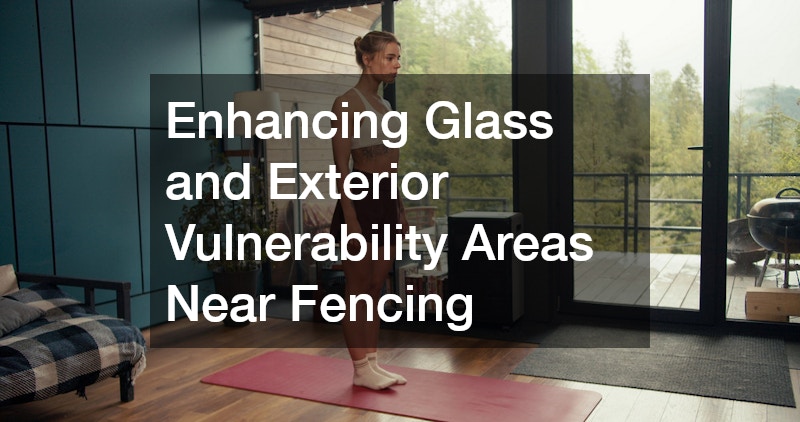
Even the strongest fence cannot fully protect a home if nearby structural vulnerabilities are ignored. Windows, sliding doors, and glass panels near fence lines are common targets because they provide faster entry once access to the yard is gained.
Strengthening these areas creates a second layer of defense that works alongside fencing. This ensures that even if one barrier is compromised, another remains in place.
Applying security film to glass surfaces helps hold shattered pieces together under impact. Instead of breaking into open space, the glass remains bonded, significantly slowing entry attempts.
When combined with perimeter design, this creates a layered defense structure:
- Fence controls access to the yard
- Glass reinforcement slows entry into the home
- Lighting and surveillance increase detection time
This layered approach improves response time and reduces overall vulnerability during attempted break-ins.
Working With Professionals to Ensure Proper Fence Structure and Stability
Even high-quality materials fail if installation is done incorrectly. Structural integrity depends on post depth, alignment, and foundation strength. Poor installation leads to leaning, shifting, or failure over time.
Experienced installers understand soil composition, slope variations, and environmental conditions. These factors influence how deeply posts must be set and how reinforcement should be applied.
Hiring skilled fence installers ensures that every structural component is properly installed and secured. This reduces long-term maintenance issues and improves durability.
Common installation problems include:
- Insufficient post depth in unstable soil
- Misaligned panels creating structural stress
- Weak gate anchoring leading to sagging
- Poor concrete curing or inadequate base support
Proper installation ensures that the fence maintains its intended performance under real-world conditions, including wind, pressure, and seasonal movement.
Choosing Fence Styles That Balance Privacy and Deterrence
Fence style plays a major role in shaping both security and usability. Solid designs offer privacy but may reduce visibility, while open designs improve awareness but provide less concealment control.
The best systems often combine both approaches, using different styles depending on the area of the property. Front-facing sections may prioritize visibility, while rear sections focus on privacy and containment.
A well-balanced design ensures that the fence supports awareness without creating blind zones that intruders could exploit.
Effective design also considers how the fence interacts with landscaping, lighting, and surrounding structures. Poor alignment can create shadows and concealment zones that weaken the entire system.
Reinforcing Chain Link Systems for Modern Security Needs
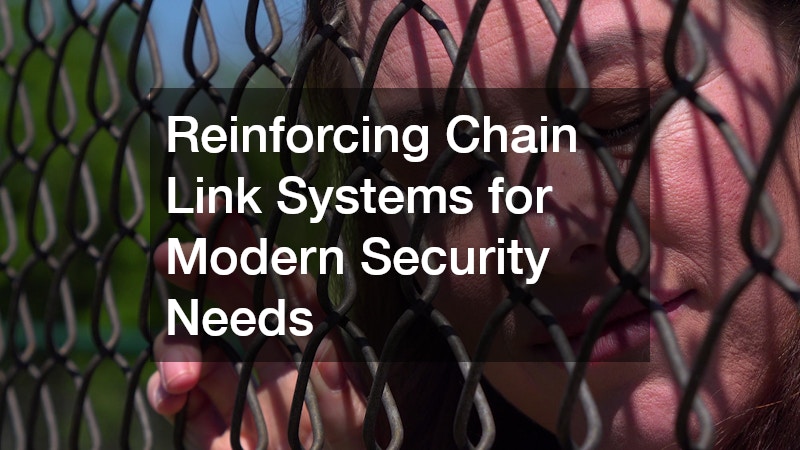
Chain link fencing is widely used due to its affordability and flexibility, but it becomes significantly more effective when upgraded with modern enhancements. Quality synthetic systems must include internal aluminum or galvanized steel channel reinforcements hidden inside the horizontal rails. This internal metal spine ensures that the interlocking tongue-and-groove privacy panels are locked tightly in place. Without this metal core, an intruder could simply kick the center of a panel, cause it to flex, and pop it right out of its tracks to create an immediate opening.
Upgraded chainlink fencing systems improve both durability and resistance to climbing or cutting attempts. Standard versions are often vulnerable due to wide mesh spacing and lack of reinforcement.
Key improvements include:
- Reduced mesh spacing to eliminate footholds
- Protective vinyl or galvanized coatings for durability
- Reinforced bottom tension wires to prevent lifting
- Privacy slats for reduced visibility into the property
These upgrades transform a basic system into a more reliable and secure perimeter option suitable for residential and commercial use.
Before signing any contracts or making a down payment, take the time to run a thorough background check on their past residential projects. Ask for detailed structural diagrams of how they intend to set their posts, and insist on seeing their certifications for welding and gate automation safety. A true security specialist will gladly provide a comprehensive, transparent breakdown of their process, showing you exactly how they plan to eliminate structural vulnerabilities across your unique terrain
Selecting the Right Local Experts for Installation and Maintenance
Local expertise plays an essential role in fence performance. Soil conditions, climate patterns, and regulatory requirements vary by region and must be considered during installation.
The operational reality of dynamic portals means they face completely different stress profiles than static sections. While a standard line panel remains completely stationary, gates are constantly subjected to spatial vibration, sudden impacts, and gravitational sag. Over months of consistent usage, even minor physical shifts can misalign your locking hardware, making it easy to breach via manual force. Consequently, fortifying these areas requires an upgraded focus on foundational stiffness, anti-tamper components, and robust framing geometries that protect the structural integrity of your entryways.
A local fence company provides knowledge of regional conditions that affect structural design and long-term durability. They understand how weather patterns influence material selection and installation depth.
When selecting professionals, homeowners should evaluate:
- Experience with similar property types
- Knowledge of local building codes
- Availability of maintenance services
- Quality and consistency of previous projects
Working with local professionals ensures better long-term reliability and compliance with regulations.
Expanding Security Beyond the Fence Line With Integrated Outdoor Design
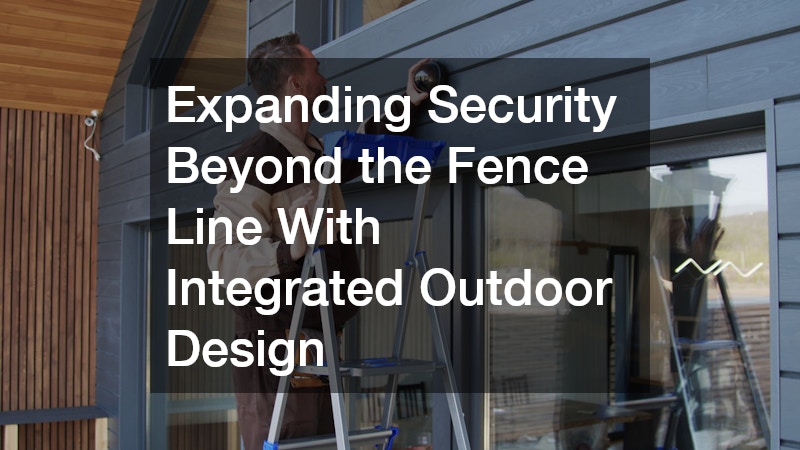
A fence is most effective when integrated into the overall property design. Landscaping, lighting, and structural elements all influence how secure a space feels and functions.
Hard surfaces and structured layouts reduce hiding areas and improve visibility. Properly designed yards naturally guide movement into monitored zones, reducing opportunities for concealment.
Incorporating hardscaping such as stone pathways, retaining walls, and paved surfaces strengthens both structure and visibility. These elements create clear boundaries while reducing vulnerable open spaces.
This meticulous attention to structural detail ensures that your security barrier follows the exact contours of your yard perfectly. By eliminating large, uneven gaps along the ground line, the installation team prevents an intruder from crawling under the structure, giving you a continuous, flawless wall of home defense. Integrated outdoor design ensures that the entire property works together as a unified security system.
Working With Contractors to Build a Complete Security System
A vinyl fence installation should never be treated as a standalone solution. It is most effective when part of a complete security system that includes surveillance, access control, materials, and layout design.
Professional planning ensures that all elements work together instead of functioning independently. This reduces weak points and improves long-term reliability.
Experienced fencing contractors coordinate the entire process from design to installation. Their expertise ensures structural consistency and system-wide integration. A unified system provides stronger protection, better usability, and long-term stability across all conditions.
Building a high-security perimeter fence is one of the most effective, intelligent investments a homeowner can make to ensure long-term peace of mind and protect their property. True home defense is an interconnected system where physical strength, smart engineering, and visibility work together to stop threats before they ever reach your living space. By moving away from fragile materials and choosing heavy-duty, anti-climb designs, you create a physical obstacle that can stop even the most motivated intruders.
As you plan your security upgrades, remember that minor details like post depth, hinge placement, and gate automation will ultimately determine the success of your entire system. Entrusting your perimeter installation to verified local professionals guarantees that your barrier will remain straight, strong, and legally compliant for decades to come. Take a walk around your property line today, carefully look for any current vulnerabilities, and start taking the necessary steps to build an unyielding, beautiful first line of defense for your home.